Van Gogh’s Late Paintings Offer Little Evidence of Impaired Color Vision
Van Gogh’s blues, greens and untinted whites challenge claims that illness or toxins altered his color perception.
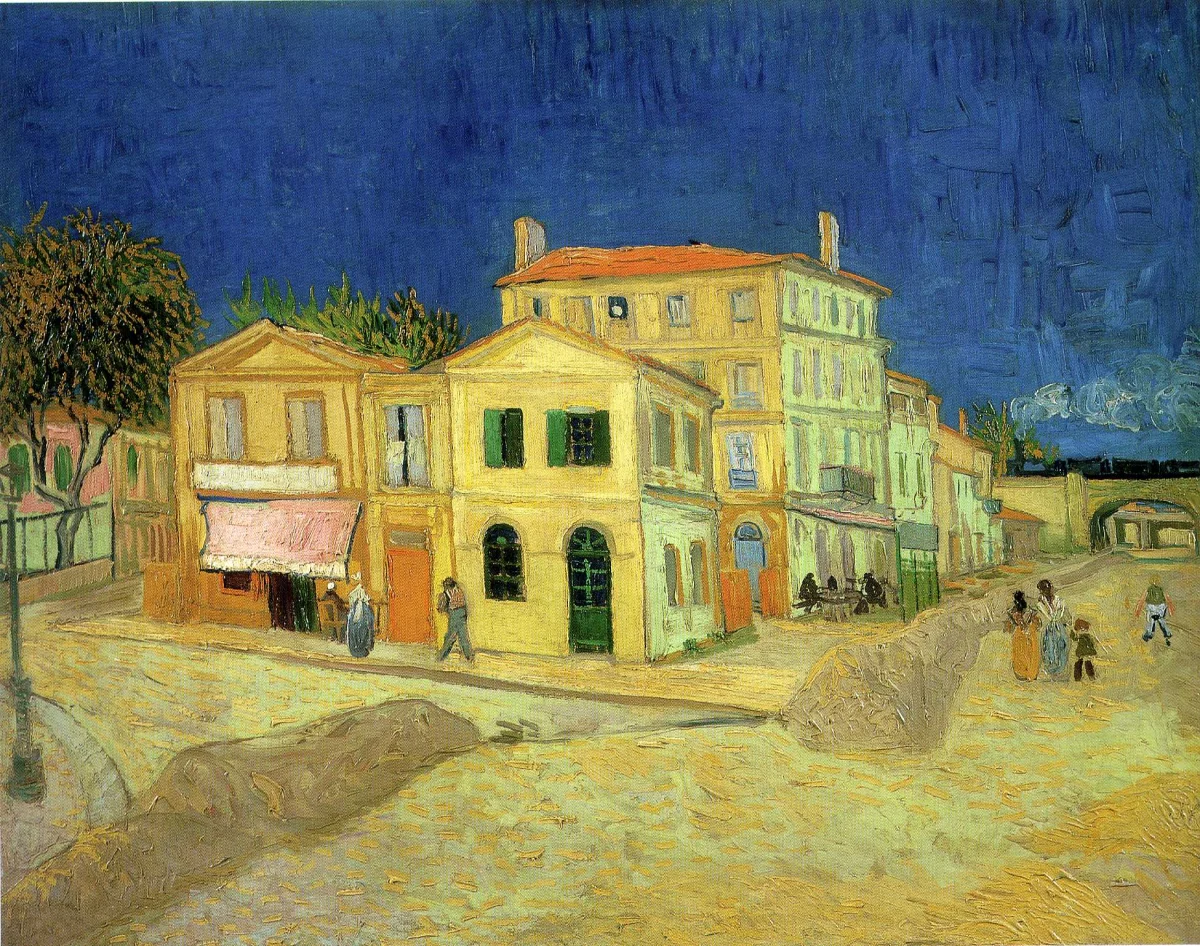
Van Gogh’s late paintings are often treated as clues to a medical mystery: did he see the world through a yellow tint? The works themselves make that explanation difficult to sustain. Across paintings made from 1888 to 1890, he used blues, greens, whites and yellows in varied combinations. That range fits a painter making deliberate choices better than it fits a persistent yellow shift in his vision.
What the medical record can—and can’t—show
Several explanations have been proposed for the intensity of Van Gogh’s palette. One is xanthopsia, a yellow cast in a person’s sight. Others attribute possible visual changes to digitalis toxicity, absinthe, or exposure to paint pigments. The available account of his medical care near Arles, including his contacts with his friend Doctor Gachet, doesn’t support these claims. Gachet reportedly assessed Van Gogh’s visual acuity as excellent.
That evidence has limits: a record of good acuity doesn’t settle every question about color perception. But the case for a lasting yellow tint rests largely on the paintings themselves. If Van Gogh consistently saw whites as yellow and blues as green, his canvases might be expected to show those shifts. Instead, many display clear blues and whites alongside yellow.
Blue remains a major part of the palette
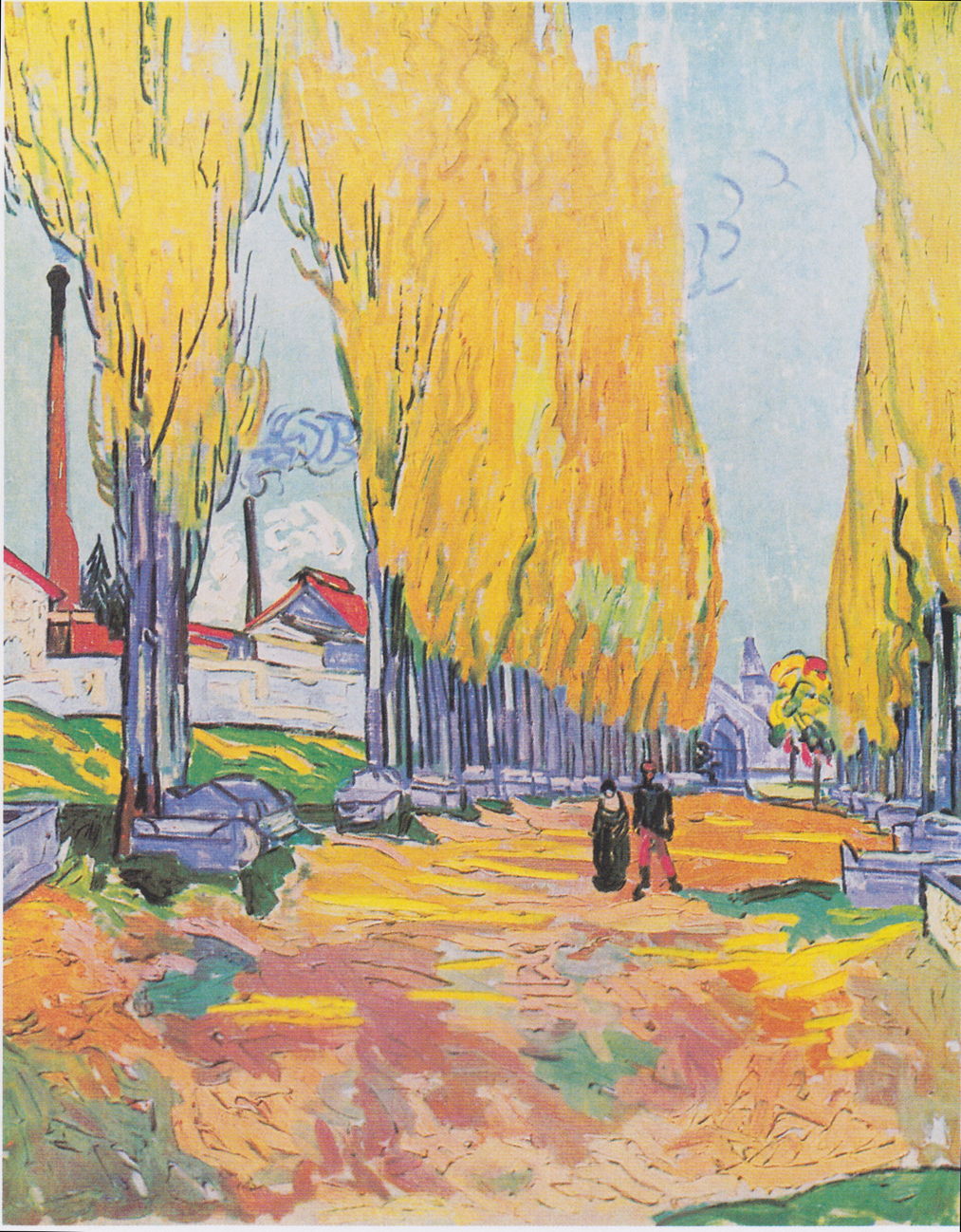
The 1888 paintings offer a broad test of the idea. The Blue Train (Viaduct in Arles) pairs rich blue with ochre yellow, while Les Alyscamps, Avenue in Arles, painted alongside Paul Gauguin, also gives blue a prominent role. In The Langlois Bridge at Arles with Women Washing, blue is again vivid. And Starry Night over the Rhône builds its scene around blue rather than a yellowed view of the night.

The sunflower paintings complicate the picture in a useful way. Still Life: Vase with Twelve Sunflowers, the third version, sets the flowers against a pale blue-green background. The fourth version, Still Life: Vase with 15 Sunflowers, is strongly yellow. That difference shows how freely Van Gogh could shift the balance of a composition; one yellow-dominant canvas doesn’t establish a visual impairment.
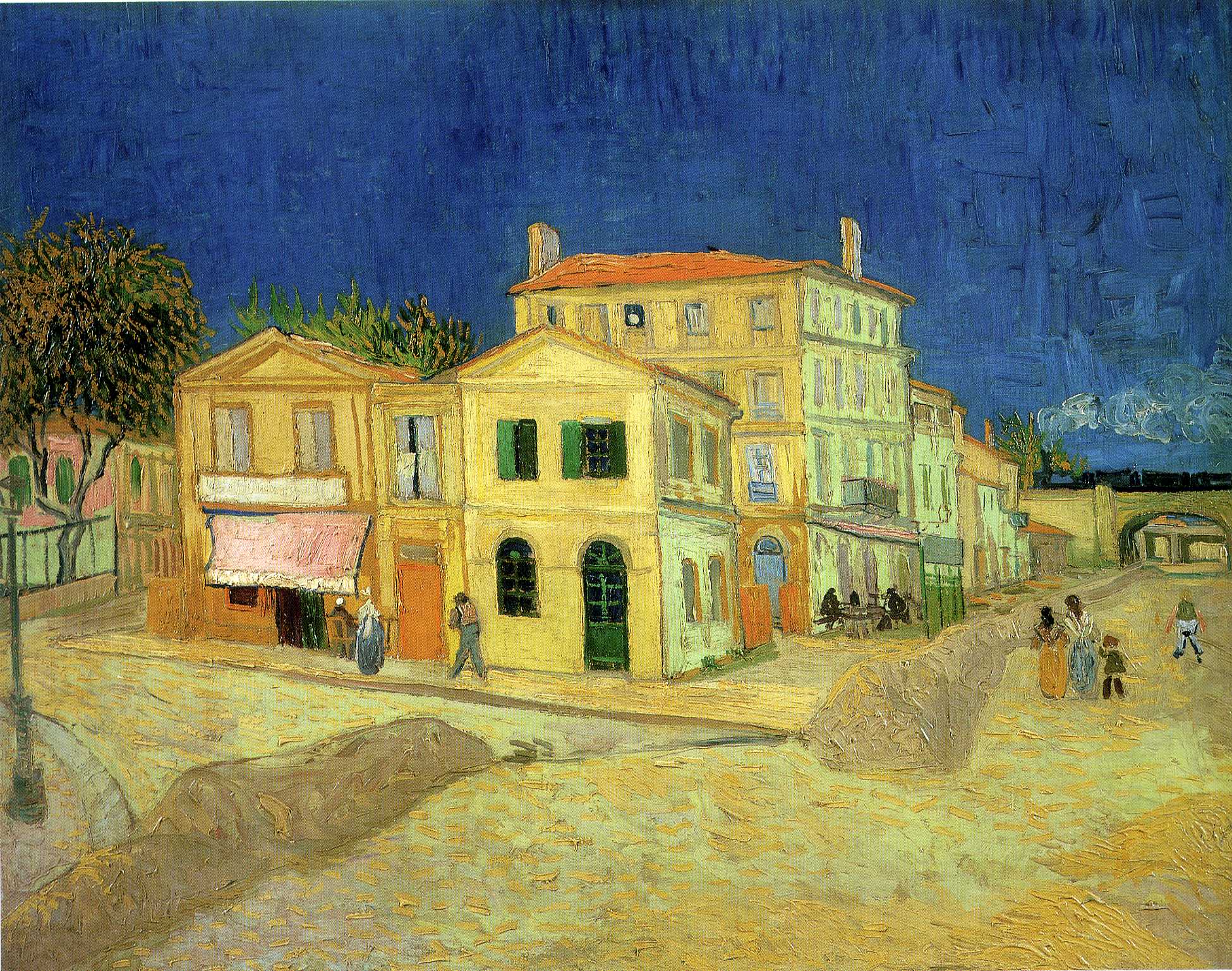
Other details also resist a single-color explanation. Van Gogh’s Chair has pale blue outlines, and Vincent’s House in Arles (The Yellow House) sets deep blue against yellow, with relatively little green. The range matters more than any single color: it shows blue being used distinctly, not merely as a shade overwhelmed by yellow.


Later work keeps the colors distinct
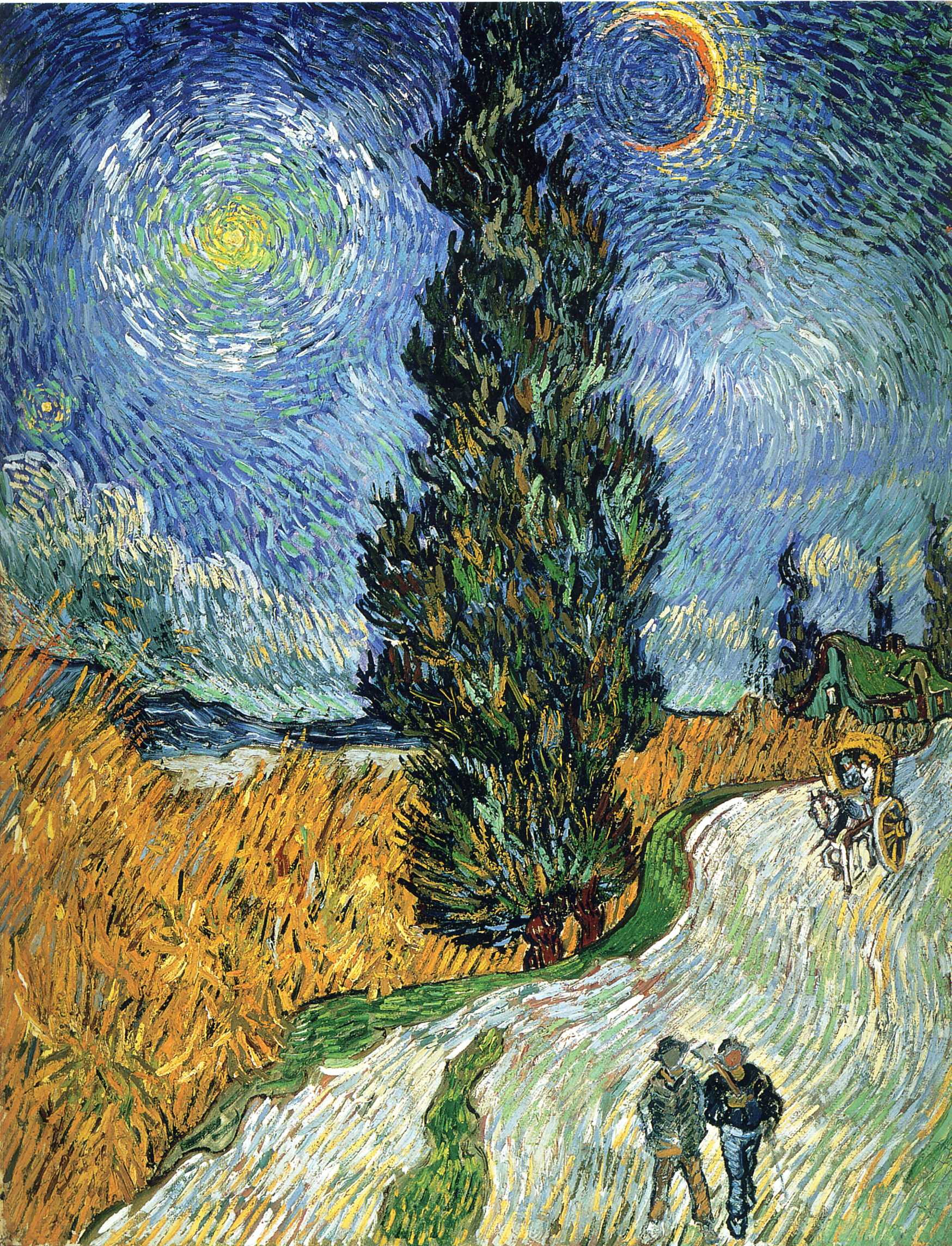
Paintings from 1889 continue the pattern. Still Life of Oranges and Lemons with Blue Gloves is dominated by warm colors, but the gloves remain a strong, contrasting blue. In Cypresses, thick strokes of yellow and green sit beneath a sky that moves from pale blue to pale pink, with pure white marks. Wheat Field with Cypresses and its second version likewise include blue hills, alongside yellows, greens and small red poppies.
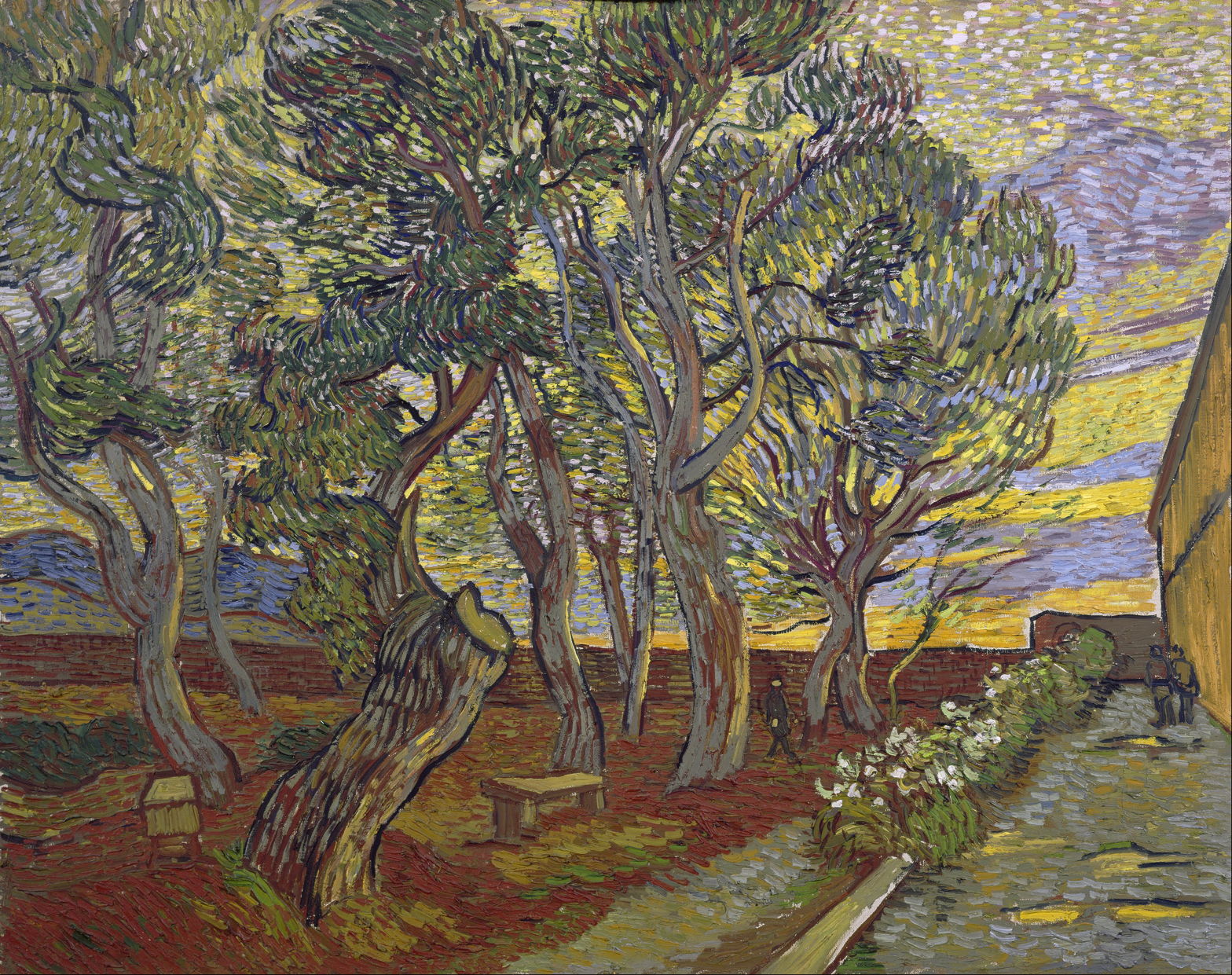
In Olive Grove, blue, yellow and green share the composition; even the trunks and branches use blue and green. The Garden of Saint Paul’s Hospital adds red-browns, white flowers and a sky that shifts between blue and yellow. Dormitory in the Hospital in Arles leans more heavily on yellow and green. Taken together, the works show changing palettes rather than one consistent color cast.



The 1890 works make the same point. Irises contrasts deep blues and greens with yellow. Road with Cypress and Star includes broad color variation and pure whites. In Rain – Auvers, painted shortly before Van Gogh’s death, blue shades toward lavender rather than green. These observations don’t diagnose him; they show why the paintings alone offer weak support for the claim that his color perception was impaired.


Color in a painting can’t reveal exactly what an artist saw, and reproductions can’t settle every question about an original work. Still, the surviving record and the canvases described here don’t make a strong case for xanthopsia or a similar lasting disturbance. The more grounded reading is that Van Gogh’s unusual palette reflects artistic decisions—and that a medical explanation should require evidence beyond the colors that made his work distinctive.
Reference
Michael F. Marmor and James G. Ravin, The Artist’s Eyes: Vision and the History of Art (2009), Abrams. ISBN 978 0 8109 4849 5.